Pull a card upside down and it's tempting to brace for bad news. That instinct isn't wrong exactly, but it's incomplete. A reversed card usually isn't the opposite of its upright meaning — it's the upright meaning turned inward, delayed, or blocked. Learning to read reversals well is less about memorizing a second set of definitions and more about learning a small number of lenses to try.
Four ways to read a reversal
- Blocked energy. The upright meaning is present but struggling to express itself. The Two of Wands reversed might mean a plan that's stalled rather than one that failed.
- Internalized energy. What would normally show up outwardly is instead happening internally. The Three of Cups reversed might point to private joy rather than a public celebration.
- Delay. The card's energy is coming, just not yet. The Ten of Cups reversed can mean lasting happiness that hasn't arrived on schedule rather than happiness denied.
- Shadow or excess. Occasionally a reversal does point to the harder, exaggerated, or shadow side of a card — the Emperor reversed as rigidity rather than structure, for example.
Context decides which lens fits
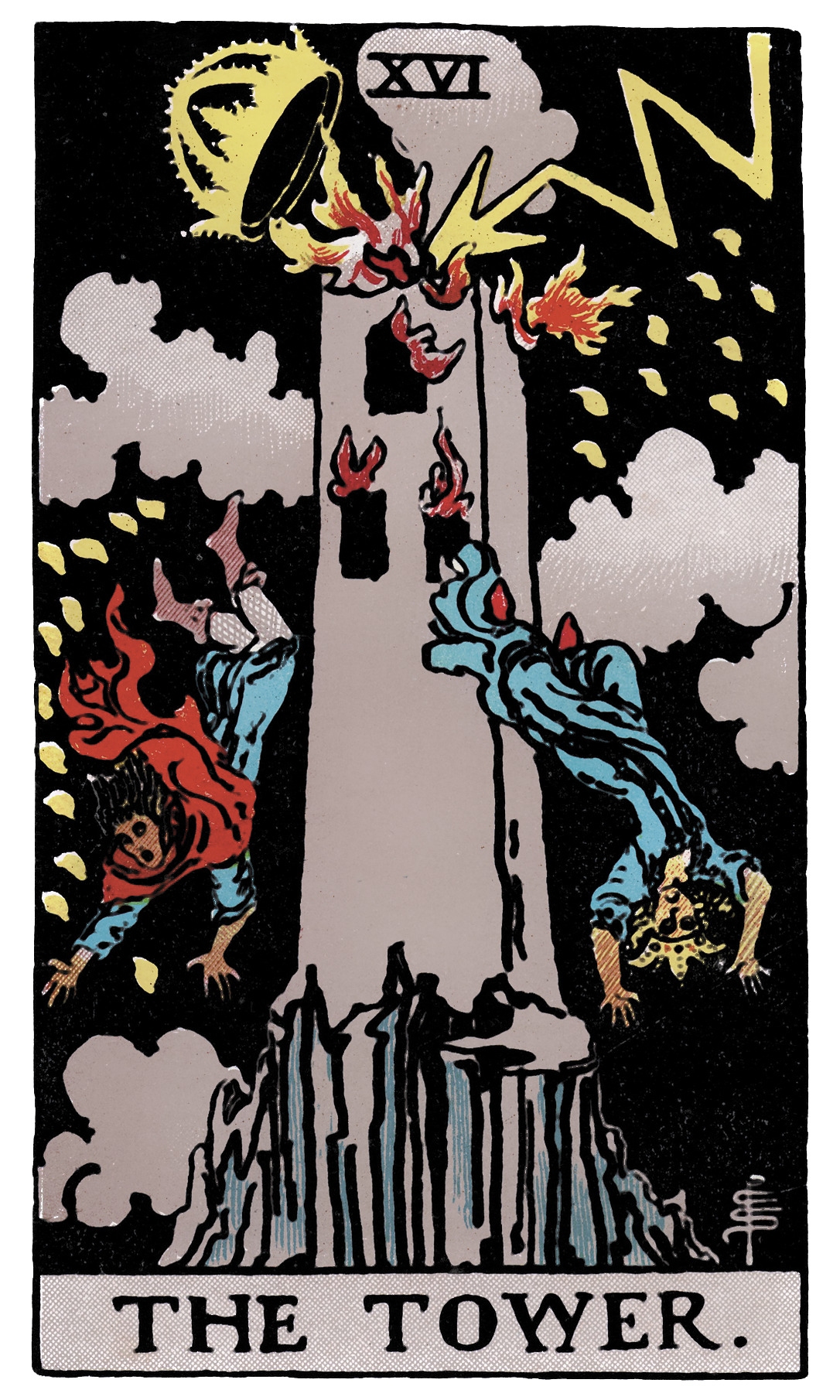
The same reversed card can lean toward any of these readings depending on the question and the cards around it. A reversed Tower next to cards of stability might suggest turmoil that's been avoided rather than delayed — read the neighboring cards, not just the one card in isolation.
Practicing reversals
The Yes or No reading deals cards with independent chances of landing reversed, which makes it a good low-stakes way to get comfortable seeing familiar cards upside down and reasoning through what's changed.